
 UA
 PromethEUs
Emmanuel Gerbault
Founder
Direction
- linkedin.com/in/emmanuel-grbt

Founder
Direction
Через шість місяців після парламентських виборів минулої весни в Угорщині, які мали на меті оновити 199 місць у Національних зборах та визначити нового главу уряду, PromethEUs повертається до цього політичного перелому очима Аттіли К., студента економічного факультету. З плином часу це інтерв’ю дозволяє зважено поглянути на період після голосування та поразку Віктора Орбана перед проєвропейським Петером Мадяром. PromethEUs пропонує обговорення рушійних сил цієї зміни влади: впливу інфляції на повсякденне життя, втоми від корупції та вибору на користь відновлення європейського курсу замість зближення з Москвою. На тлі того, як Брюссель заморозив близько 20 мільярдів євро з європейських фондів через порушення верховенства права, а Будапешт ще нещодавно блокував пакет допомоги Україні обсягом 60–70 мільярдів євро, ця розмова висвітлює очікування молоді, реконфігурацію медійного простору та необхідні інституційні запобіжники всередині Європейського Союзу.
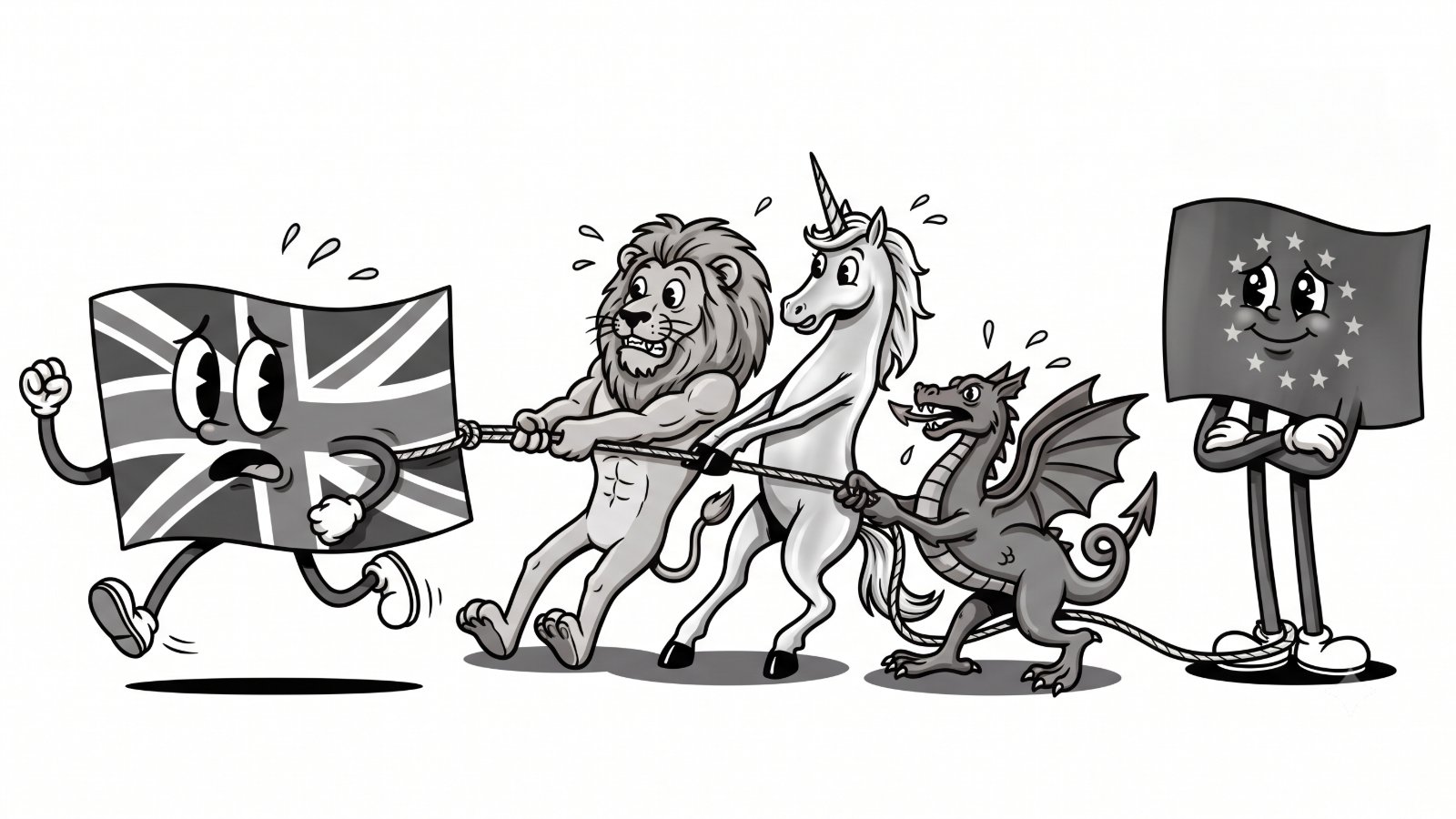
Ten years after the fateful referendum of June 2016, the debate over the United Kingdom's European future is no longer a matter of mere speculation among theorists. As the structural costs of Brexit have permanently settled and global geopolitical balances increasingly demand highly integrated continental blocs, the question of rejoining has emerged with renewed force. London's return to the European project must not be envisioned as a mere transactional fix. Viewed through the prism of European federalism, this return is a mutual necessity to overcome the inefficiency of fragmented sovereignties and to consolidate our continent's strategic autonomy. Nevertheless, this path toward unification faces complex electoral dynamics, as illustrated by the political earthquake of May 2026.
Confronted with the military escalation in the Middle East and Washington's strategic decoupling, the European Union finds itself at a critical turning point. In this interview with PromethEUs, Lieutenant Commander Guillaume Bucherer, desk officer at the Joint Staff of the Armed Forces (Military International Relations Division - EU Bureau), analyzes the internal fault lines among the 27, the realistic risks of the conflict expanding, and the urgent need for Europe to break free from its dependencies to build its own industrial and military sovereignty.

As the European Parliament prepares to vote on the digital euro regulation and the European Central Bank targets a first issuance by 2029, Europe stands at a monetary crossroads whose full significance it has yet to grasp. The creation of a public digital currency, complementary to euro cash, is not a technical adjustment. It engages the very nature of the European project: will the Union be able to guarantee its citizens sovereign access to central bank money in a world where payments have become the terrain of geopolitical competition between great powers?

The open diplomatic crisis between Washington and Copenhagen over the status of Greenland, peaking between January 2025 and January 2026, is not merely an episode of turbulence in a transatlantic relationship deemed inherently resilient. It is, for Europe, a foundational geopolitical event. Under repeated pressure from an American president refusing to rule out the use of armed force against a territory belonging to a member state of the European Union and the Atlantic Alliance, the consensus that served as a strategic compass for Western Europe since 1949 has fractured irreversibly.

An unexpected shift, almost counter-intuitive for superficial observers of the Eurozone. Italy, often described in previous decades as the "sick man of Europe," mired in massive public debt and chronic political instability, has officially surpassed Japan to become the world's fourth-largest exporting power.

PromethEUs presents an analysis of Bulgaria’s entry into the Eurozone on January 1, 2026. A milestone event for European integration in the Balkans.

As the SAFE program mobilizes 150 billion euros for European rearmament, the question of the Union’s strategic autonomy is becoming increasingly pressing. Since the 2022 Versailles Summit, the Twenty-Seven have asserted their willingness to "take their destiny into their own hands" in the face of American uncertainties and Russian threats. ➡️ Military capabilities, nuclear deterrence, cooperation with NATO, industrial and energy sovereignty, CSDP missions: our new article analyzes in detail the conditions under which Europe could—or could not—defend itself alone. 🔍 We offer a first step in this reflection through a structured overview, based on European texts and a geopolitical vision that is both strategic and operational. 🧠 A must-read to understand the deep stakes of a Europe aiming to move beyond its economic framework to become a power.

A historic milestone for European democracy and LGBTQ+ rights in Europe.

Membre de PromethEUs. Voir toute l’équipe