
 UA
 PromethEUs
Coline Eyssautier
Vice-President
Direction

Vice-President
Direction
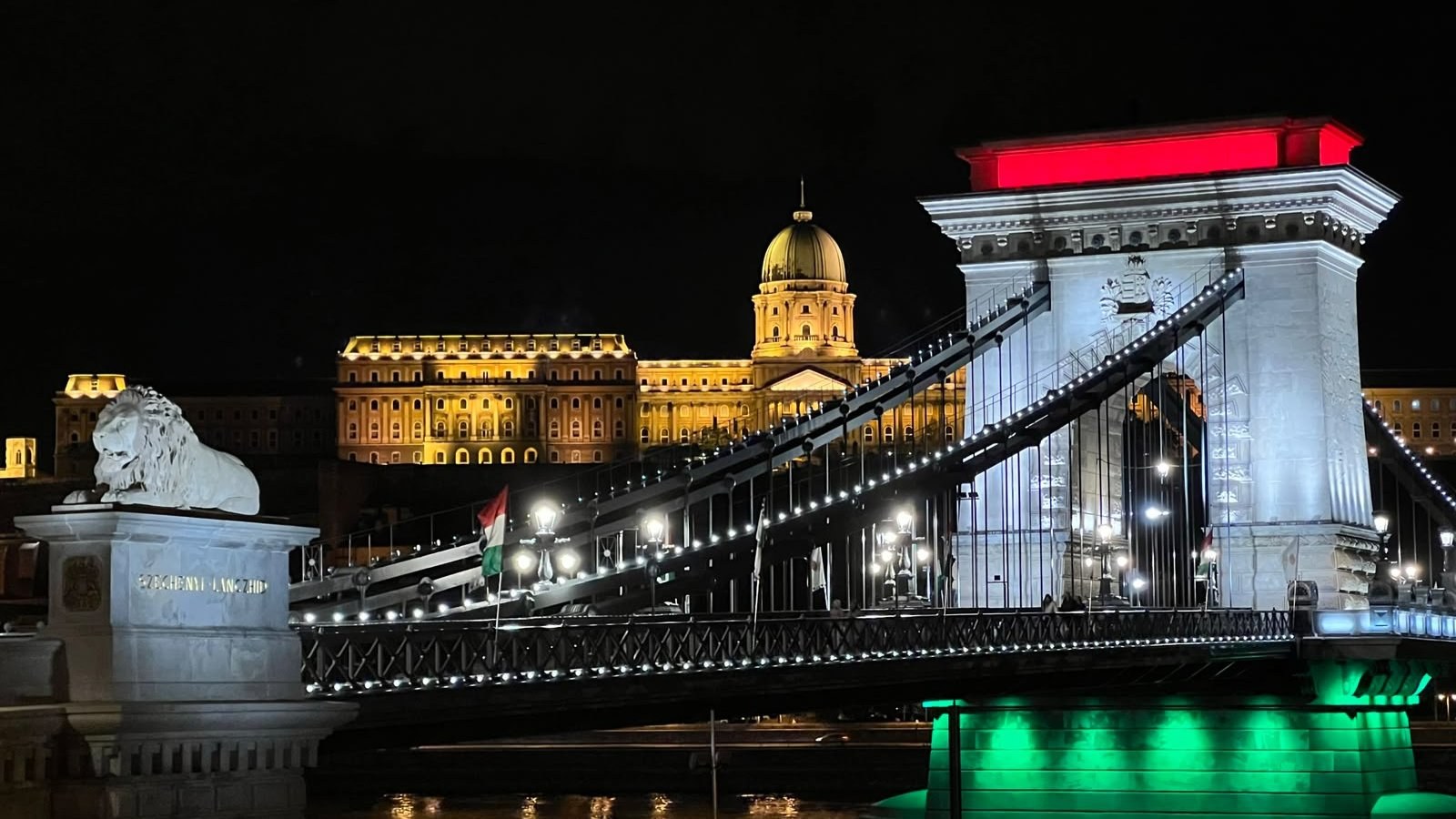
Через шість місяців після парламентських виборів минулої весни в Угорщині, які мали на меті оновити 199 місць у Національних зборах та визначити нового главу уряду, PromethEUs повертається до цього політичного перелому очима Аттіли К., студента економічного факультету. З плином часу це інтерв’ю дозволяє зважено поглянути на період після голосування та поразку Віктора Орбана перед проєвропейським Петером Мадяром. PromethEUs пропонує обговорення рушійних сил цієї зміни влади: впливу інфляції на повсякденне життя, втоми від корупції та вибору на користь відновлення європейського курсу замість зближення з Москвою. На тлі того, як Брюссель заморозив близько 20 мільярдів євро з європейських фондів через порушення верховенства права, а Будапешт ще нещодавно блокував пакет допомоги Україні обсягом 60–70 мільярдів євро, ця розмова висвітлює очікування молоді, реконфігурацію медійного простору та необхідні інституційні запобіжники всередині Європейського Союзу.
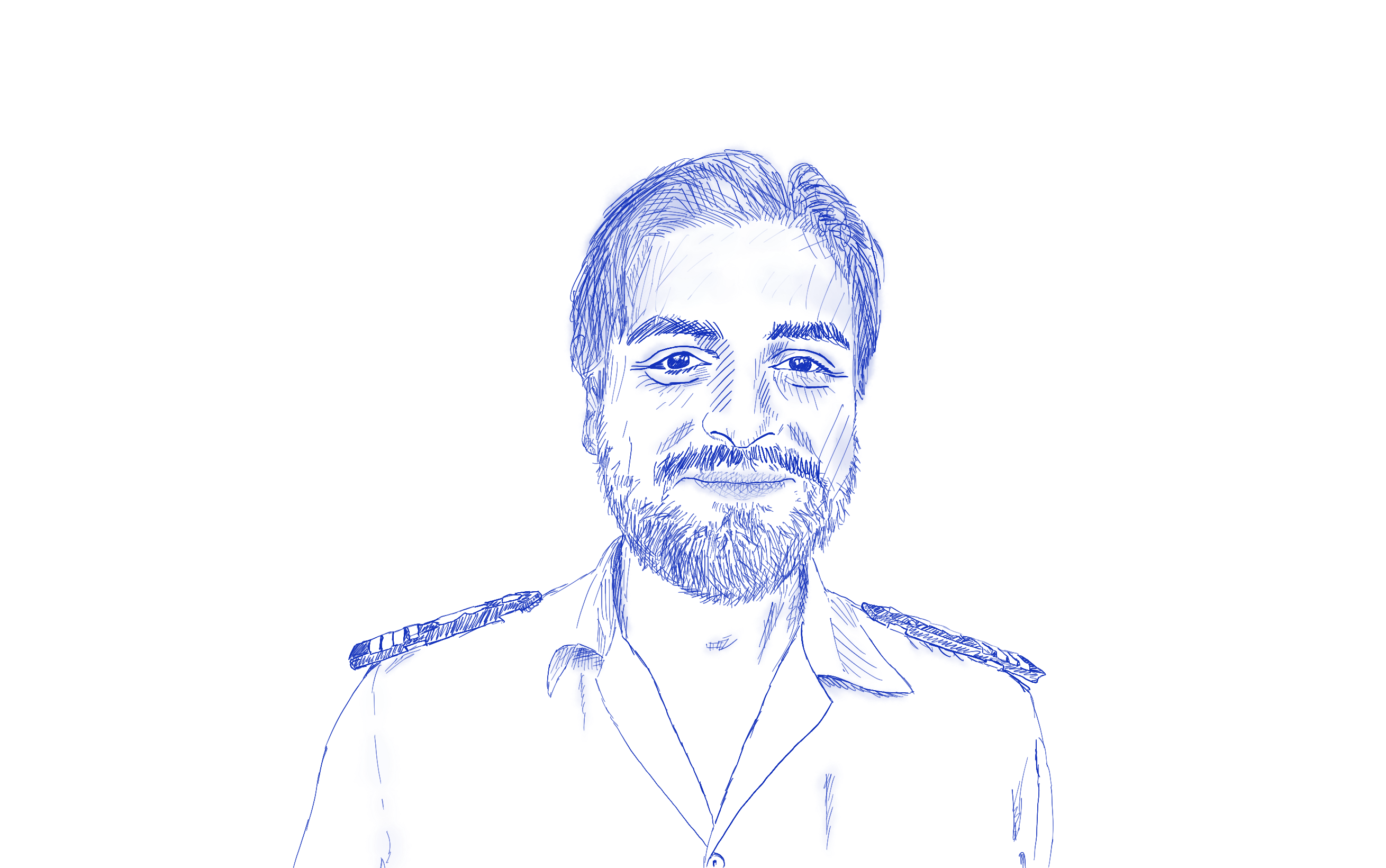
Confronted with the military escalation in the Middle East and Washington's strategic decoupling, the European Union finds itself at a critical turning point. In this interview with PromethEUs, Lieutenant Commander Guillaume Bucherer, desk officer at the Joint Staff of the Armed Forces (Military International Relations Division - EU Bureau), analyzes the internal fault lines among the 27, the realistic risks of the conflict expanding, and the urgent need for Europe to break free from its dependencies to build its own industrial and military sovereignty.
The formation, negotiation, and final adoption of the New Pact on Migration and Asylum (2020-2024) represent a pivotal moment in the history of European integration, marking the shift from a normative approach based on harmonization and mandatory solidarity to a pragmatic, security-oriented, and flexible approach, dictated by the political necessity of containing the rise of populist and nationalist forces. This report, based on an exhaustive analysis of legislative texts, political declarations, and institutional dynamics, demonstrates that the Pact's architecture is intrinsically a response to the red lines drawn by illiberal governments (Visegrád Group) and influential far-right parties within key Member States, such as Italy, France, and Germany.

Membre de PromethEUs. Voir toute l’équipe