
 IS
 PromethEUs
Emmanuel Gerbault
Founder
Direction
- linkedin.com/in/emmanuel-grbt

Founder
Direction
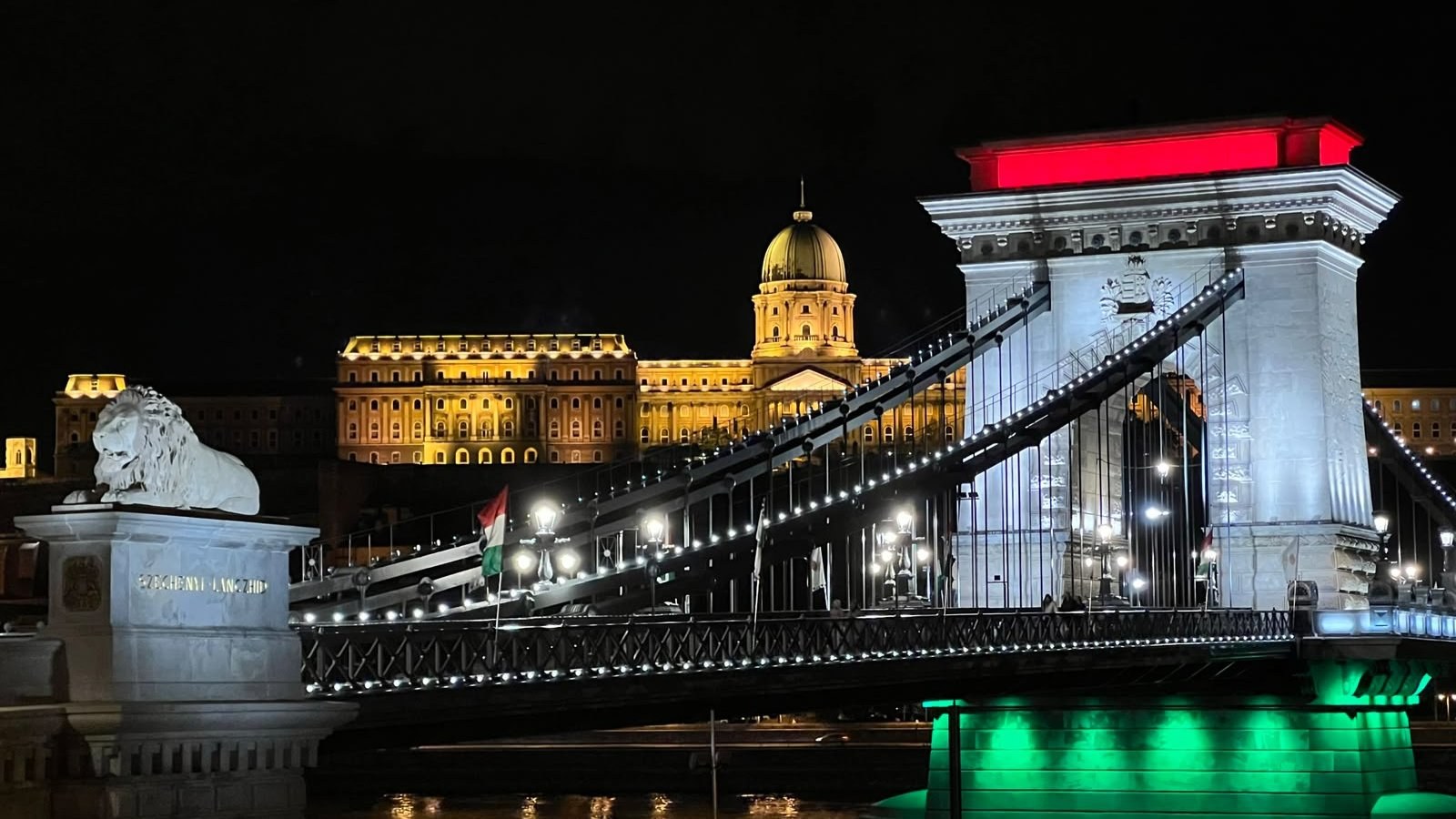
Six months after last spring’s parliamentary elections in Hungary, which aimed to renew the 199 seats of the National Assembly and appoint the new head of government, PromethEUs revisits this political turning point through the eyes of Attila K., an economics student. With hindsight, this interview offers a balanced look at the post-election landscape and the defeat of Viktor Orbán by the pro-European Péter Magyar. PromethEUs offers a discussion on the driving forces behind this political shift: the impact of inflation on daily life, fatigue with corruption, and the choice of re-anchoring within Europe rather than growing closer to Moscow. In a context where nearly €20 billion in EU funds had been frozen by Brussels over rule-of-law breaches, and where Budapest until recently blocked an aid package of €60 to €70 billion for Ukraine, this exchange sheds light on the expectations of young people, the reshaping of the media landscape, and the necessary institutional safeguards within the European Union.
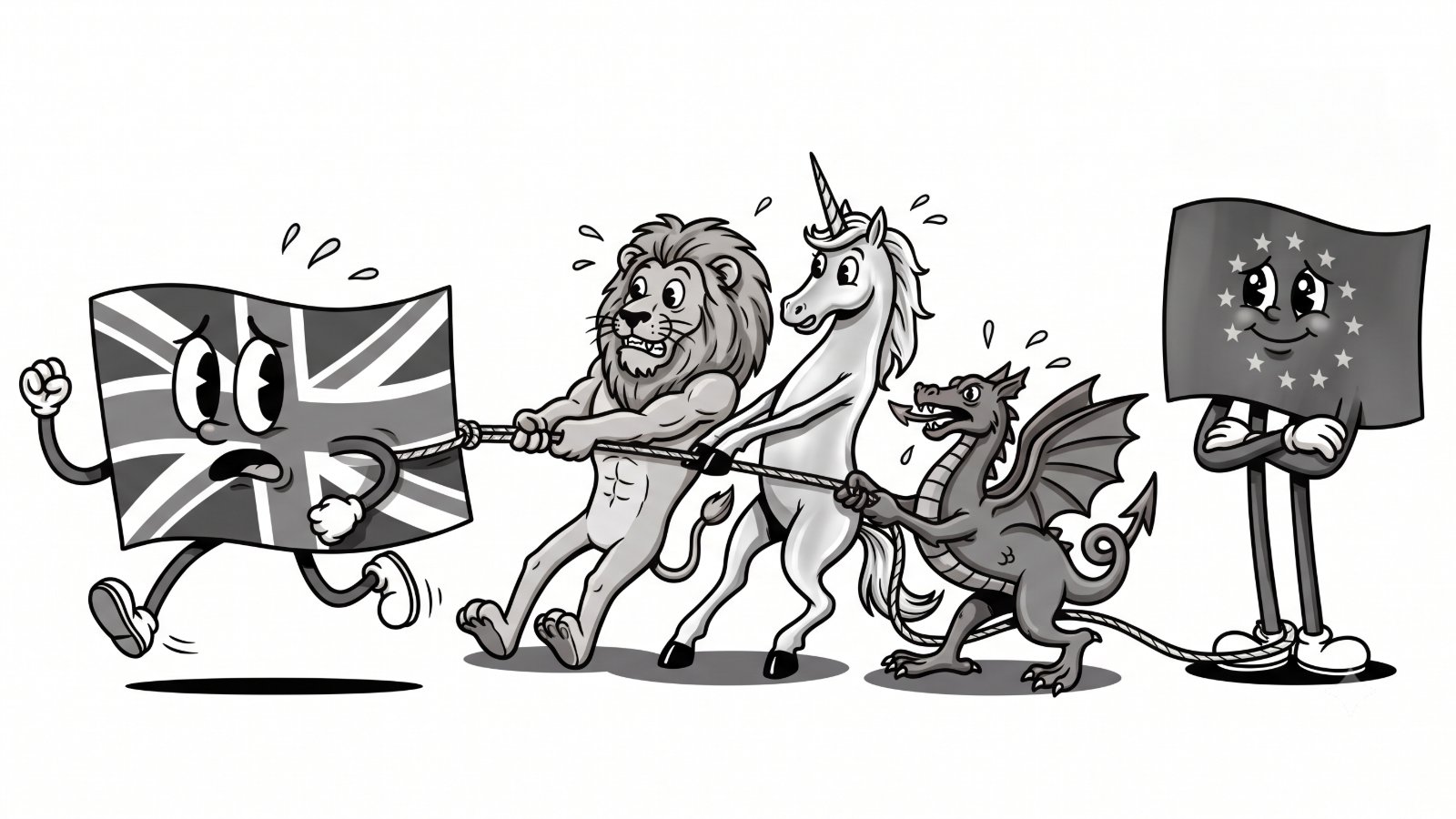
Ten years after the fateful referendum of June 2016, the debate over the United Kingdom's European future is no longer a matter of mere speculation among theorists. As the structural costs of Brexit have permanently settled and global geopolitical balances increasingly demand highly integrated continental blocs, the question of rejoining has emerged with renewed force. London's return to the European project must not be envisioned as a mere transactional fix. Viewed through the prism of European federalism, this return is a mutual necessity to overcome the inefficiency of fragmented sovereignties and to consolidate our continent's strategic autonomy. Nevertheless, this path toward unification faces complex electoral dynamics, as illustrated by the political earthquake of May 2026.
Confronted with the military escalation in the Middle East and Washington's strategic decoupling, the European Union finds itself at a critical turning point. In this interview with PromethEUs, Lieutenant Commander Guillaume Bucherer, desk officer at the Joint Staff of the Armed Forces (Military International Relations Division - EU Bureau), analyzes the internal fault lines among the 27, the realistic risks of the conflict expanding, and the urgent need for Europe to break free from its dependencies to build its own industrial and military sovereignty.

As the European Parliament prepares to vote on the digital euro regulation and the European Central Bank targets a first issuance by 2029, Europe stands at a monetary crossroads whose full significance it has yet to grasp. The creation of a public digital currency, complementary to euro cash, is not a technical adjustment. It engages the very nature of the European project: will the Union be able to guarantee its citizens sovereign access to central bank money in a world where payments have become the terrain of geopolitical competition between great powers?

Opin diplómatísk kreppa milli Washington og Kaupmannahafnar varðandi stöðu Grænlands, sem náði hámarki á milli janúar 2025 og janúar 2026, er ekki aðeins tímabundin ólga í transatlantísku sambandi sem talið er í eðli sínu seiglátt. Fyrir Evrópu er þetta grundvallar landpólitískur atburður. Undir endurteknum þrýstingi frá bandarískum forseta sem neitar að útiloka beitingu hervalds gegn yfirráðasvæði sem tilheyrir aðildarríki Evrópusambandsins og Atlantshafsbandalagsins, hefur sú samstaða sem þjónaði sem stefnumótandi áttaviti fyrir Vestur-Evrópu frá 1949 brostið óafturkallanlega.

An unexpected shift, almost counter-intuitive for superficial observers of the Eurozone. Italy, often described in previous decades as the "sick man of Europe," mired in massive public debt and chronic political instability, has officially surpassed Japan to become the world's fourth-largest exporting power.

PromethEUs presents an analysis of Bulgaria’s entry into the Eurozone on January 1, 2026. A milestone event for European integration in the Balkans.

As the SAFE program mobilizes 150 billion euros for European rearmament, the question of the Union’s strategic autonomy is becoming increasingly pressing. Since the 2022 Versailles Summit, the Twenty-Seven have asserted their willingness to "take their destiny into their own hands" in the face of American uncertainties and Russian threats. ➡️ Military capabilities, nuclear deterrence, cooperation with NATO, industrial and energy sovereignty, CSDP missions: our new article analyzes in detail the conditions under which Europe could—or could not—defend itself alone. 🔍 We offer a first step in this reflection through a structured overview, based on European texts and a geopolitical vision that is both strategic and operational. 🧠 A must-read to understand the deep stakes of a Europe aiming to move beyond its economic framework to become a power.

A historic milestone for European democracy and LGBTQ+ rights in Europe.

Membre de PromethEUs. Voir toute l’équipe