
 HU
 PromethEUs
Coline Eyssautier
Vice-President
Direction

Vice-President
Direction
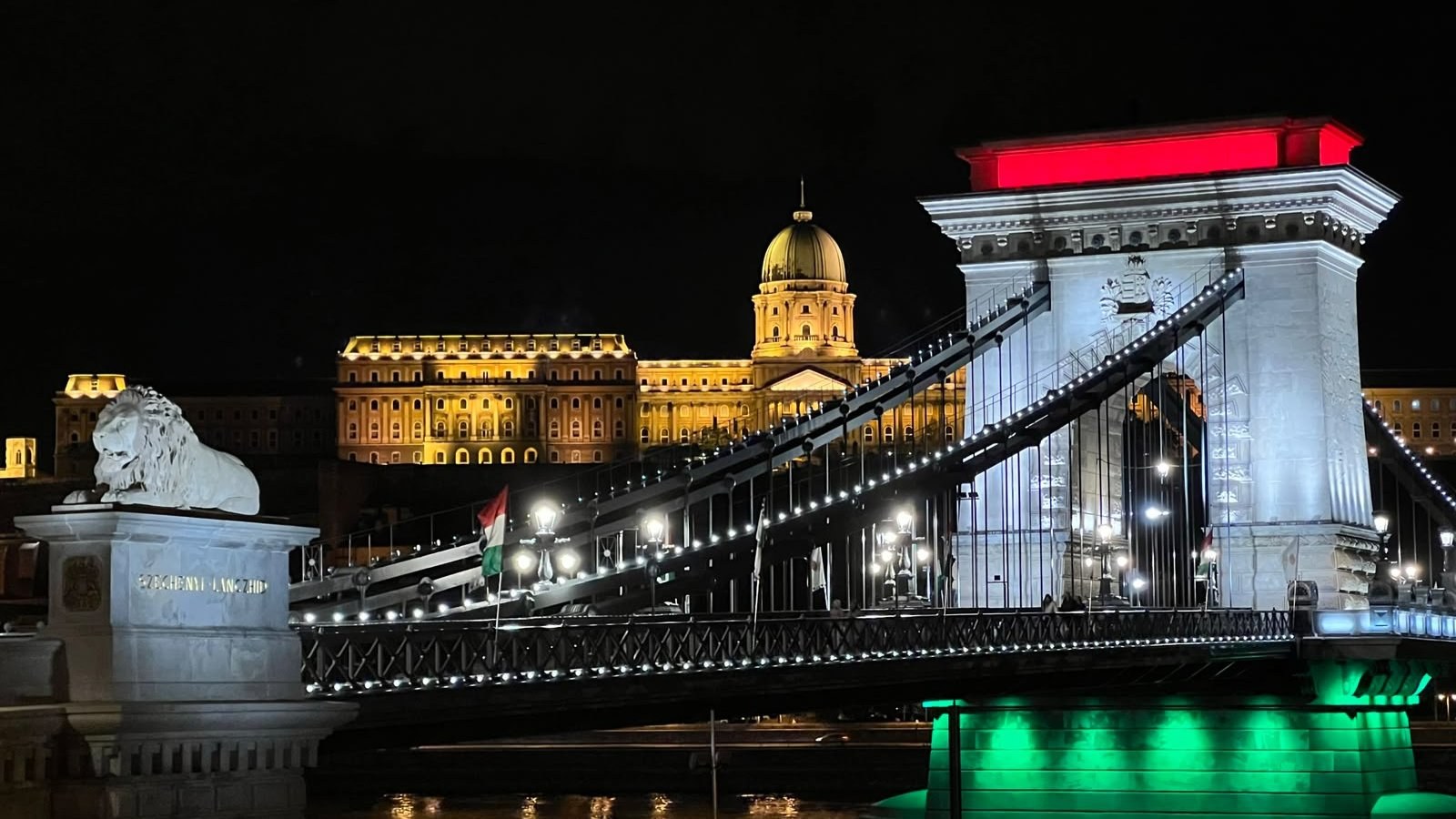
Hat hónappal a múlt tavaszi magyarországi parlamenti választások után – amelyek célja az Országgyűlés 199 képviselői helyének megújítása és az új kormányfő kijelölése volt –, a PromethEUs Attila K. közgazdaságtan-hallgató szemüvegén keresztül tér vissza erre a politikai fordulópontra. A távlatok tükrében ez az interjú lehetővé teszi, hogy higgadtan tekintsünk a voksolás utáni időszakra, valamint Orbán Viktor vereségére a proeurópai Magyar Péterrel szemben. A PromethEUs beszélgetést kínál a hatalomváltás mozgatórugóiról: az infláció mindennapi életre gyakorolt hatásáról, a korrupcióval szembeni fásultságról, valamint a Moszkvához való közeledés helyett az európai újbóli elköteleződés választásáról. Egy olyan kontextusban, ahol a jogállamisági hiányosságok miatt Brüsszel közel 20 milliárd eurónyi uniós forrást zárolt, és ahol Budapest nemrégiben még egy 60–70 milliárd eurós segélycsomagot blokkolt Ukrajna számára, ez az eszmecsere rávilágít a fiatalok elvárásaira, a médiakörnyezet átalakulására és az Európai Unión belüli szükséges intézményi garanciákra.
Confronted with the military escalation in the Middle East and Washington's strategic decoupling, the European Union finds itself at a critical turning point. In this interview with PromethEUs, Lieutenant Commander Guillaume Bucherer, desk officer at the Joint Staff of the Armed Forces (Military International Relations Division - EU Bureau), analyzes the internal fault lines among the 27, the realistic risks of the conflict expanding, and the urgent need for Europe to break free from its dependencies to build its own industrial and military sovereignty.

The formation, negotiation, and final adoption of the New Pact on Migration and Asylum (2020-2024) represent a pivotal moment in the history of European integration, marking the shift from a normative approach based on harmonization and mandatory solidarity to a pragmatic, security-oriented, and flexible approach, dictated by the political necessity of containing the rise of populist and nationalist forces. This report, based on an exhaustive analysis of legislative texts, political declarations, and institutional dynamics, demonstrates that the Pact's architecture is intrinsically a response to the red lines drawn by illiberal governments (Visegrád Group) and influential far-right parties within key Member States, such as Italy, France, and Germany.

Membre de PromethEUs. Voir toute l’équipe