
 SK
 PromethEUs
Coline Eyssautier
Vice-President
Direction

Vice-President
Direction
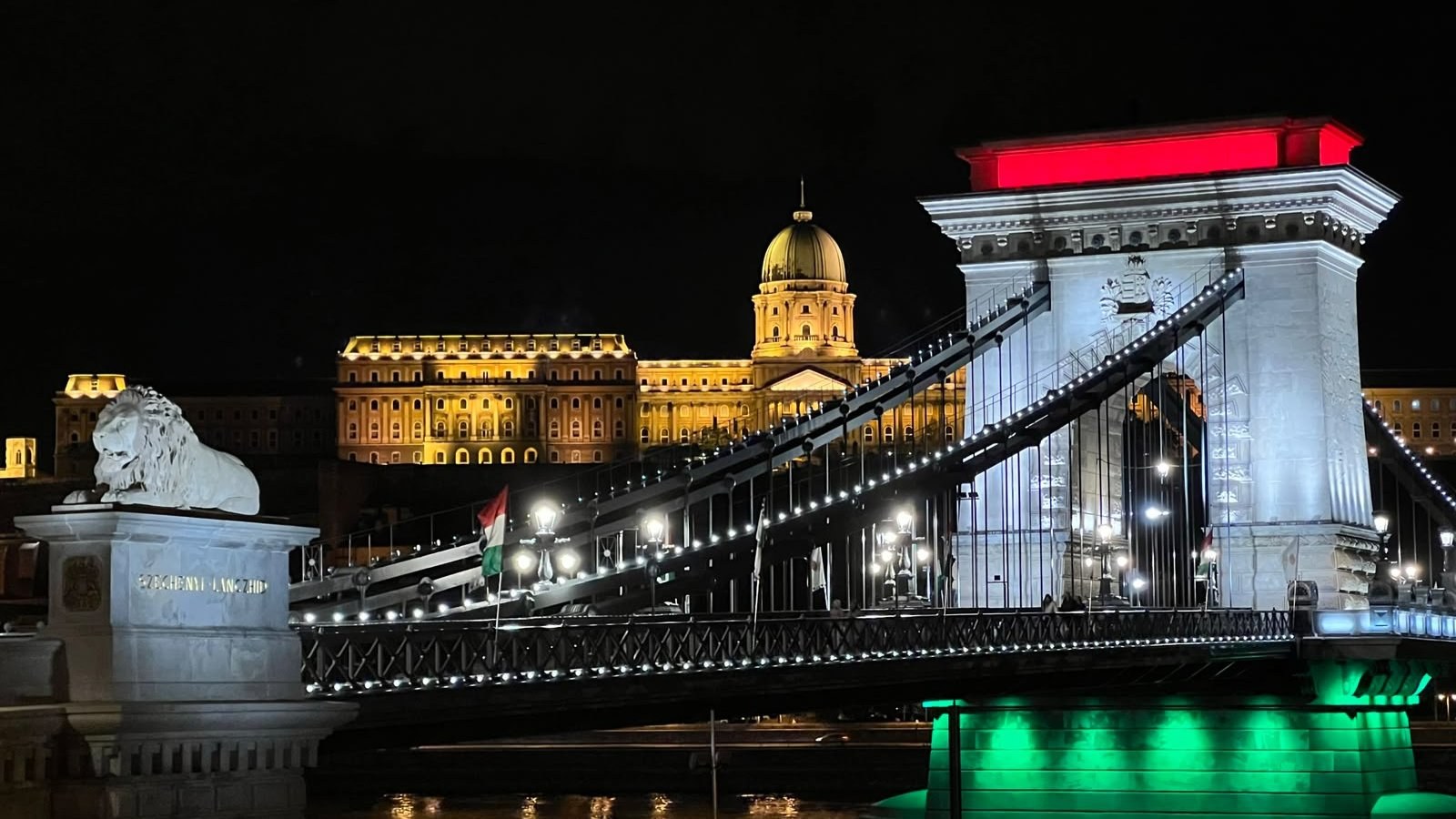
Šesť mesiacov po minuloročných jarných parlamentných voľbách v Maďarsku, ktorých cieľom bolo obnoviť 199 kresiel v Národnom zhromaždení a určiť nového predsedu vlády, sa PromethEUs vracia k tomuto politickému zvrachu pohľadom Attilu K., študenta ekonómie. S odstupom času tento rozhovor umožňuje triezvy pohľad na povolebný vývoj a porážku Viktora Orbána v súboji s proeurópskym Péterom Magyarom. PromethEUs ponúka diskusiu o hnacích silách tejto zmeny: o vplyve inflácie na každodenný život, o únave z korupcie a o voľbe opätovného primknutia k Európe namiesto zbližovania sa s Moskvou. V kontexte, keď Brusel pre nedostatky v oblasti právneho štátu zmrazil takmer 20 miliárd eur z európskych fondov a Budapešť ešte nedávno blokovala balík pomoci pre Ukrajinu vo výške 60 až 70 miliárd eur, táto výmena názorov poukazuje na očakávania mladých ľudí, premenu mediálnej scény a potrebné inštitucionálne poistky v rámci Európskej únie.
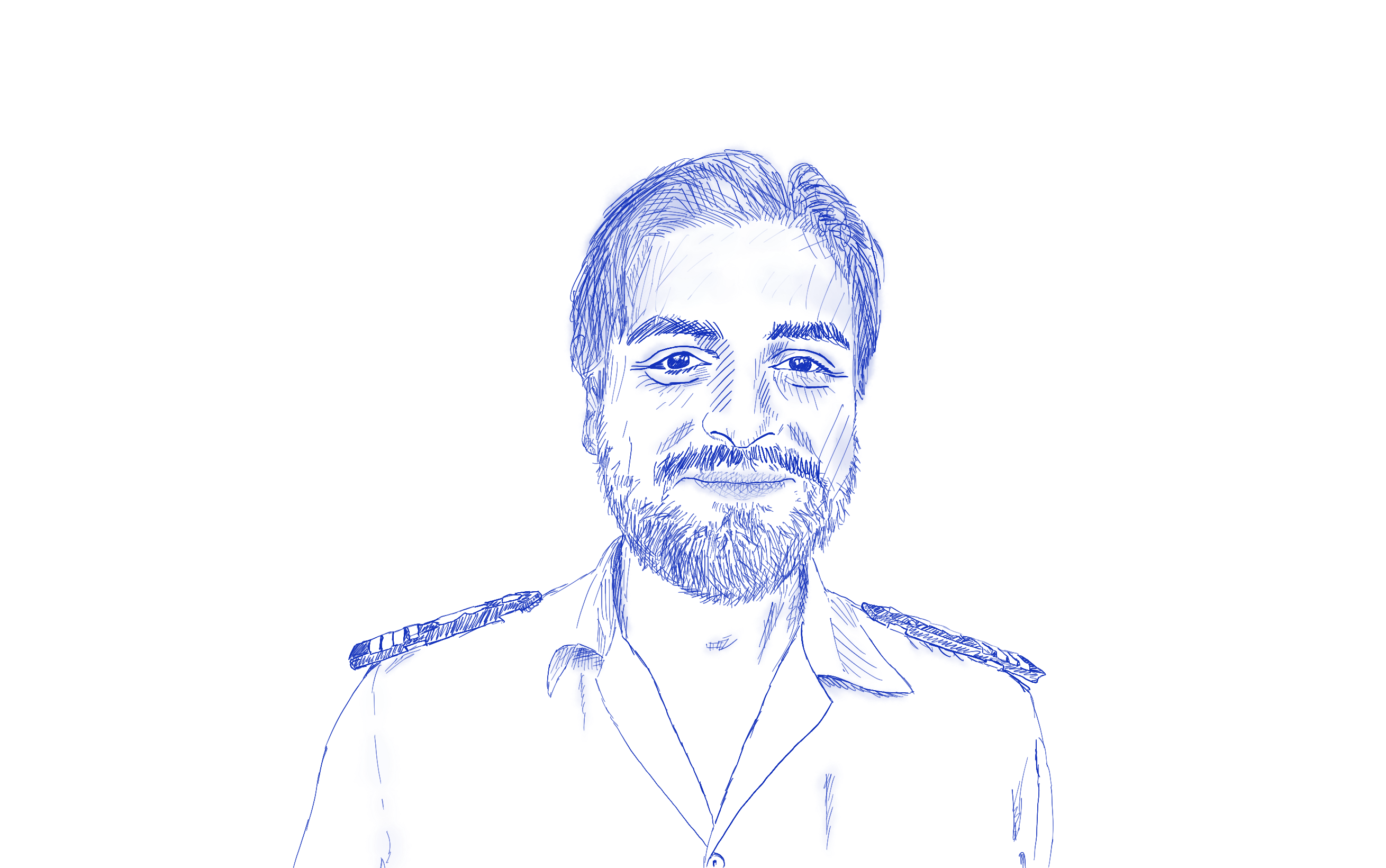
Confronted with the military escalation in the Middle East and Washington's strategic decoupling, the European Union finds itself at a critical turning point. In this interview with PromethEUs, Lieutenant Commander Guillaume Bucherer, desk officer at the Joint Staff of the Armed Forces (Military International Relations Division - EU Bureau), analyzes the internal fault lines among the 27, the realistic risks of the conflict expanding, and the urgent need for Europe to break free from its dependencies to build its own industrial and military sovereignty.
The formation, negotiation, and final adoption of the New Pact on Migration and Asylum (2020-2024) represent a pivotal moment in the history of European integration, marking the shift from a normative approach based on harmonization and mandatory solidarity to a pragmatic, security-oriented, and flexible approach, dictated by the political necessity of containing the rise of populist and nationalist forces. This report, based on an exhaustive analysis of legislative texts, political declarations, and institutional dynamics, demonstrates that the Pact's architecture is intrinsically a response to the red lines drawn by illiberal governments (Visegrád Group) and influential far-right parties within key Member States, such as Italy, France, and Germany.

Membre de PromethEUs. Voir toute l’équipe