
 PL
 PromethEUs
Coline Eyssautier
Vice-President
Direction

Vice-President
Direction
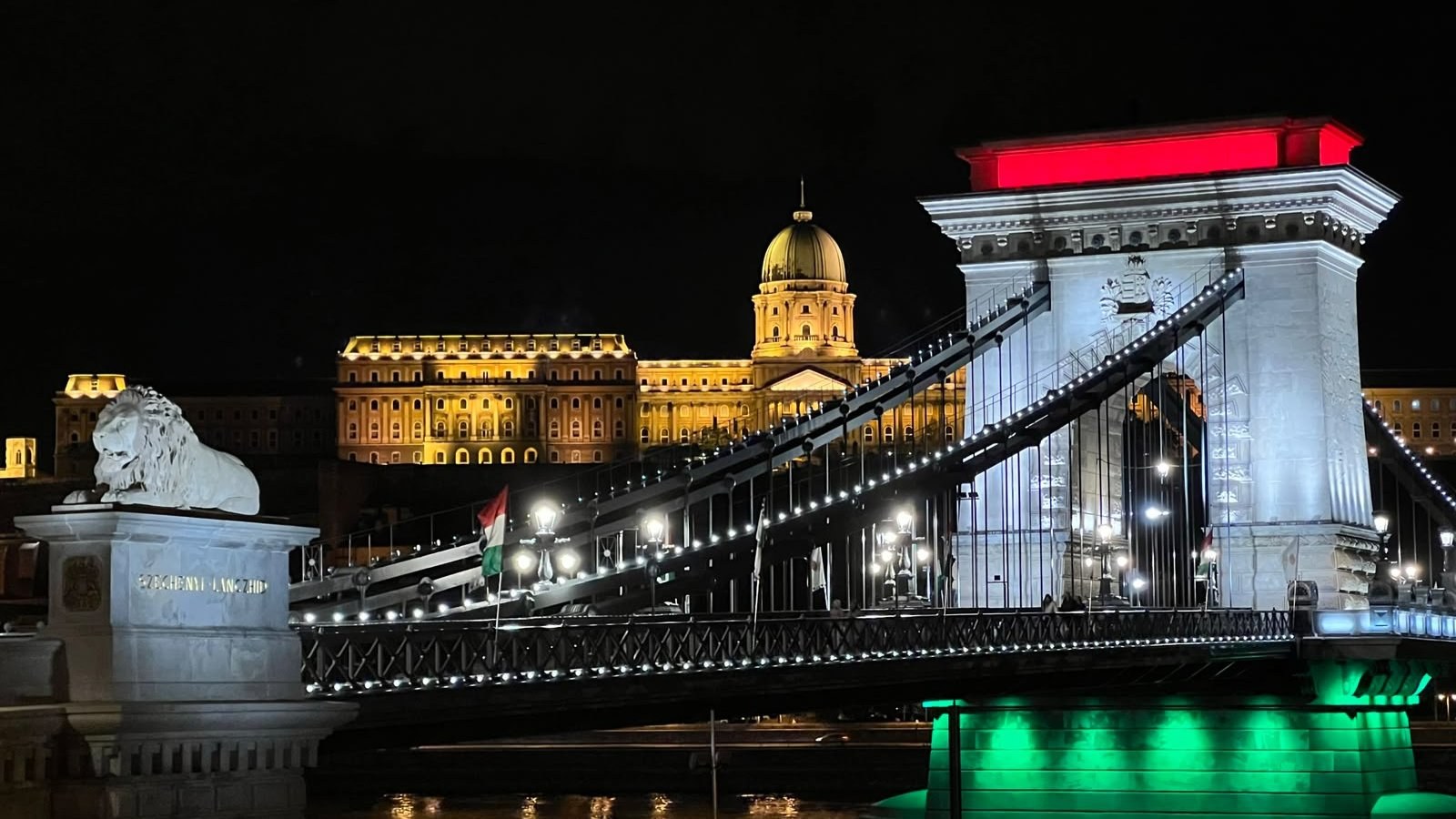
Sześć miesięcy po ubiegłorocznych wiosennych wyborach parlamentarnych na Węgrzech, których celem było odnowienie 199 mandatów w Zgromadzeniu Narodowym i wyłonienie nowego szefa rządu, PromethEUs powraca do tego politycznego punktu zwrotnego z perspektywy Attili K., studenta ekonomii. Z perspektywy czasu wywiad ten pozwala na spokojne spojrzenie na sytuację powyborczą i porażkę Viktora Orbána z proeuropejskim Péterem Magyarem. PromethEUs proponuje dyskusję na temat mechanizmów tej zmiany władzy: wpływu inflacji na życie codzienne, znużenia korupcją oraz wyboru ponownego zakotwiczenia w Europie zamiast zbliżenia z Moskwą. W kontekście, w którym Bruksela zamroziła blisko 20 miliardów euro ze środków unijnych z powodu uchybień w zakresie praworządności, a Budapeszt jeszcze niedawno blokował pakiet wsparcia dla Ukrainy o wartości od 60 do 70 miliardów euro, ta rozmowa rzuca światło na oczekiwania młodzieży, rekonfigurację krajobrazu medialnego oraz niezbędne bezpieczniki instytucjonalne wewnątrz Unii Europejskiej.
Confronted with the military escalation in the Middle East and Washington's strategic decoupling, the European Union finds itself at a critical turning point. In this interview with PromethEUs, Lieutenant Commander Guillaume Bucherer, desk officer at the Joint Staff of the Armed Forces (Military International Relations Division - EU Bureau), analyzes the internal fault lines among the 27, the realistic risks of the conflict expanding, and the urgent need for Europe to break free from its dependencies to build its own industrial and military sovereignty.

The formation, negotiation, and final adoption of the New Pact on Migration and Asylum (2020-2024) represent a pivotal moment in the history of European integration, marking the shift from a normative approach based on harmonization and mandatory solidarity to a pragmatic, security-oriented, and flexible approach, dictated by the political necessity of containing the rise of populist and nationalist forces. This report, based on an exhaustive analysis of legislative texts, political declarations, and institutional dynamics, demonstrates that the Pact's architecture is intrinsically a response to the red lines drawn by illiberal governments (Visegrád Group) and influential far-right parties within key Member States, such as Italy, France, and Germany.

Membre de PromethEUs. Voir toute l’équipe