
 IT
 PromethEUs
Coline Eyssautier
Vice-President
Direction

Vice-President
Direction
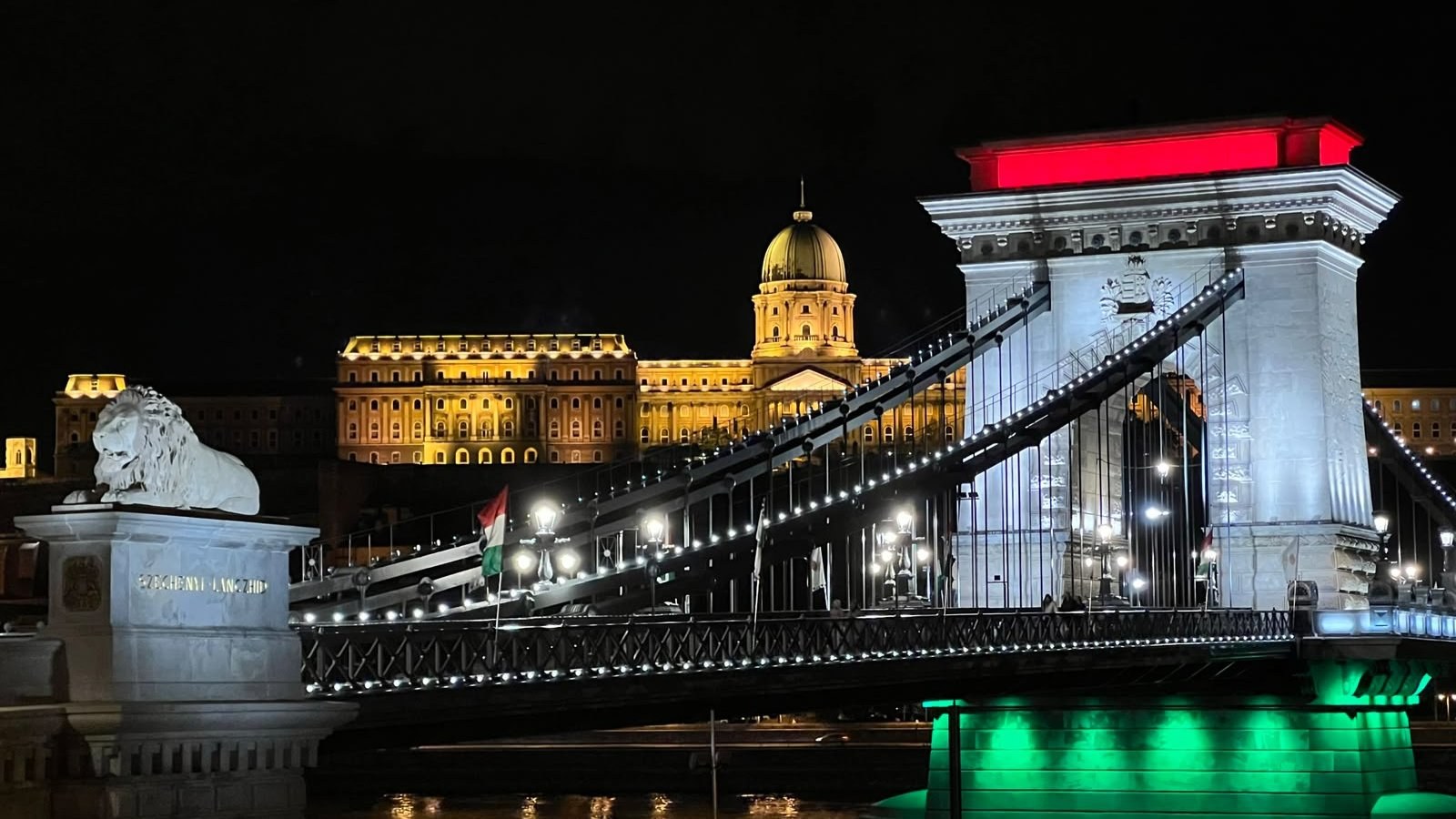
Six months after last spring’s parliamentary elections in Hungary, which aimed to renew the 199 seats of the National Assembly and appoint the new head of government, PromethEUs revisits this political turning point through the eyes of Attila K., an economics student. With hindsight, this interview offers a balanced look at the post-election landscape and the defeat of Viktor Orbán by the pro-European Péter Magyar. PromethEUs offers a discussion on the driving forces behind this political shift: the impact of inflation on daily life, fatigue with corruption, and the choice of re-anchoring within Europe rather than growing closer to Moscow. In a context where nearly €20 billion in EU funds had been frozen by Brussels over rule-of-law breaches, and where Budapest until recently blocked an aid package of €60 to €70 billion for Ukraine, this exchange sheds light on the expectations of young people, the reshaping of the media landscape, and the necessary institutional safeguards within the European Union.
Confronted with the military escalation in the Middle East and Washington's strategic decoupling, the European Union finds itself at a critical turning point. In this interview with PromethEUs, Lieutenant Commander Guillaume Bucherer, desk officer at the Joint Staff of the Armed Forces (Military International Relations Division - EU Bureau), analyzes the internal fault lines among the 27, the realistic risks of the conflict expanding, and the urgent need for Europe to break free from its dependencies to build its own industrial and military sovereignty.
La formazione, la negoziazione e l'adozione finale del Nuovo Patto sulla Migrazione e l'Asilo (2020-2024) rappresentano un momento cruciale nella storia dell'integrazione europea, segnando il passaggio da un approccio normativo basato sull'armonizzazione e sulla solidarietà obbligatoria a un approccio pragmatico, orientato alla sicurezza e flessibile, dettato dalla necessità politica di contenere l'ascesa delle forze populiste e nazionaliste. Questo rapporto, basato su un'analisi esaustiva di testi legislativi, dichiarazioni politiche e dinamiche istituzionali, dimostra che l'architettura del Patto è intrinsecamente una risposta alle linee rosse tracciate dai governi illiberali (Gruppo di Visegrád) e dagli influenti partiti di estrema destra all'interno di Stati membri chiave, come Italia, Francia e Germania.

Membre de PromethEUs. Voir toute l’équipe