
 DE
 PromethEUs
Lilà Schwartz
Treasurer
Direction
- linkedin.com/in/lil%C3%A0-schwartz-46375b2b1
- instagram.com/shash_iin

Treasurer
Direction
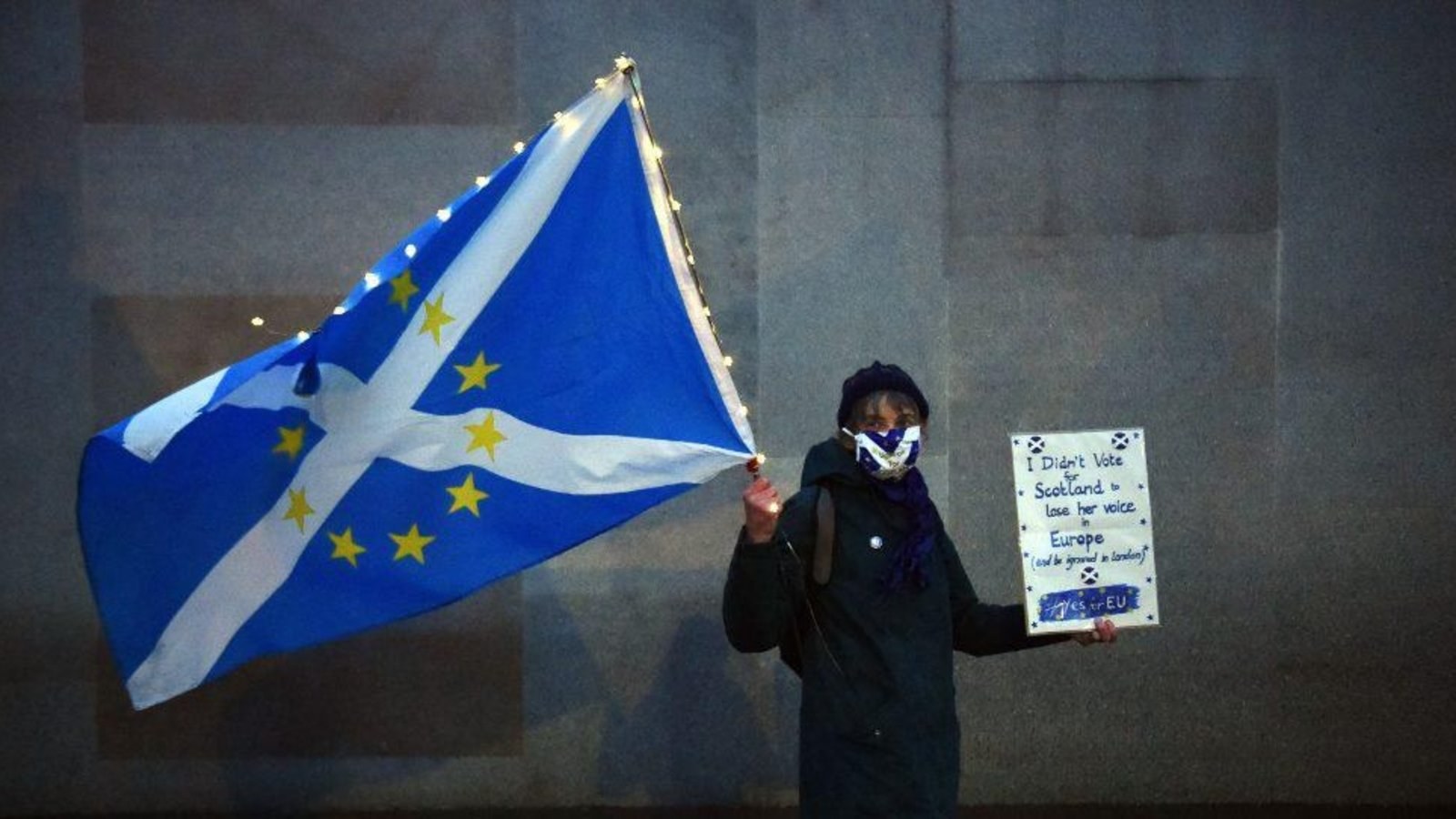
Ten years after the Brexit referendum, the future of the United Kingdom is once again the subject of debate. On 14 September 2026, the SNP, Plaid Cymru and Sinn Féin signed a memorandum calling for closer cooperation and for constitutional change to be facilitated in Scotland and Wales, as well as in the context of Irish reunification. Although these movements advocate distinct projects, their rapprochement raises a major European question: could Brexit paradoxically pave the way for a new round of European Union enlargement?
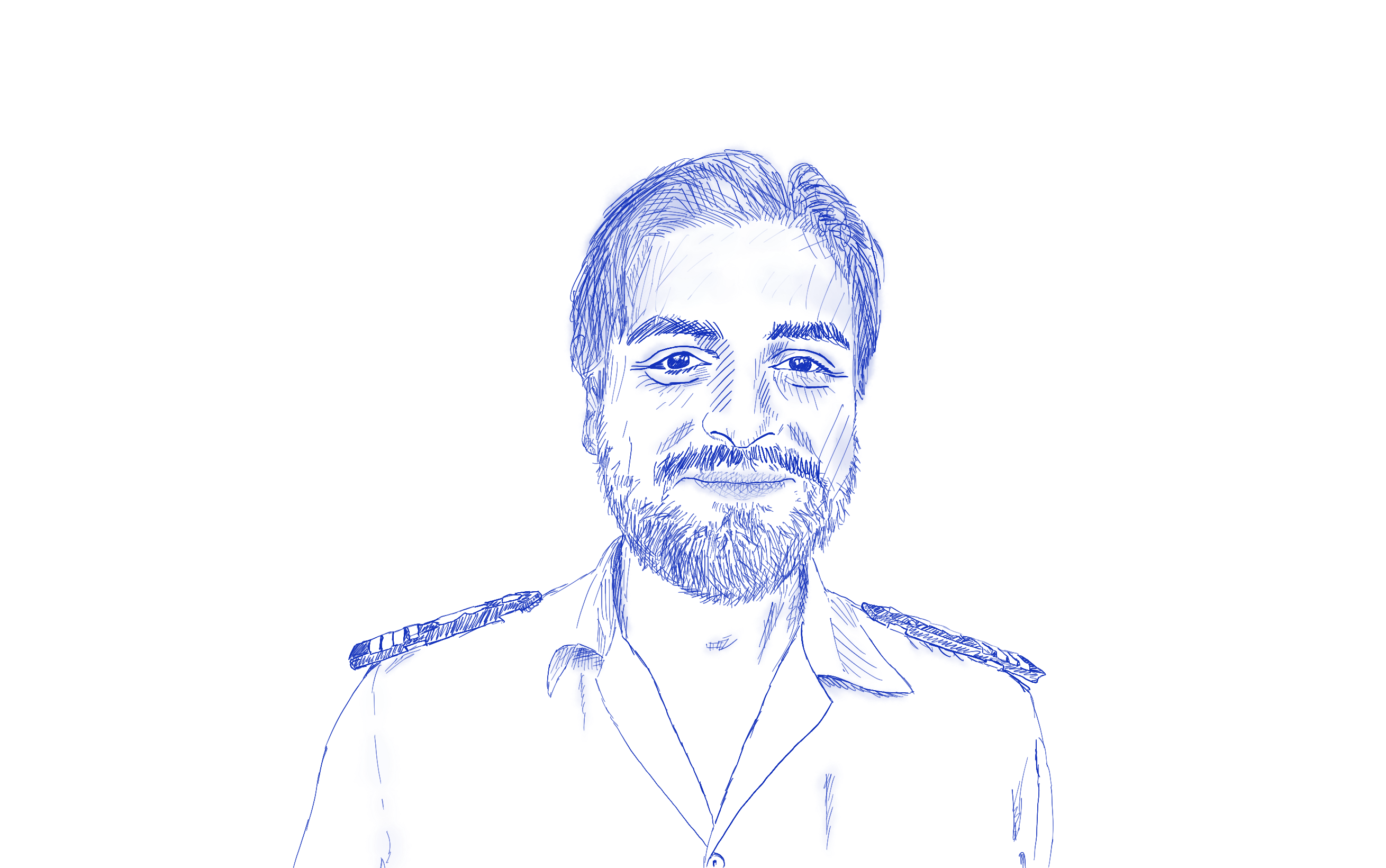
Confronted with the military escalation in the Middle East and Washington's strategic decoupling, the European Union finds itself at a critical turning point. In this interview with PromethEUs, Lieutenant Commander Guillaume Bucherer, desk officer at the Joint Staff of the Armed Forces (Military International Relations Division - EU Bureau), analyzes the internal fault lines among the 27, the realistic risks of the conflict expanding, and the urgent need for Europe to break free from its dependencies to build its own industrial and military sovereignty.
While the European Union has built a borderless single market, its internal security remains compartmentalized, at the mercy of organized crime that operates on a continental scale. Faced with the limits of simple intergovernmental cooperation embodied by Europol, can Europe still afford to do without true sovereign power? An analysis of the institutional and political issues surrounding the creation of a real "European FBI".

Die Europäische Union forciert ihren strategischen Wandel, um das chinesische Monopol auf Seltenerdmetalle zu brechen. Durch den Critical Raw Materials Act, intensives Recycling und eine diplomatische Diversifizierung versucht Brüssel, eine kritische Schwäche bis 2030 in einen Hebel für industrielle und technologische Souveränität zu verwandeln.

Membre de PromethEUs. Voir toute l’équipe